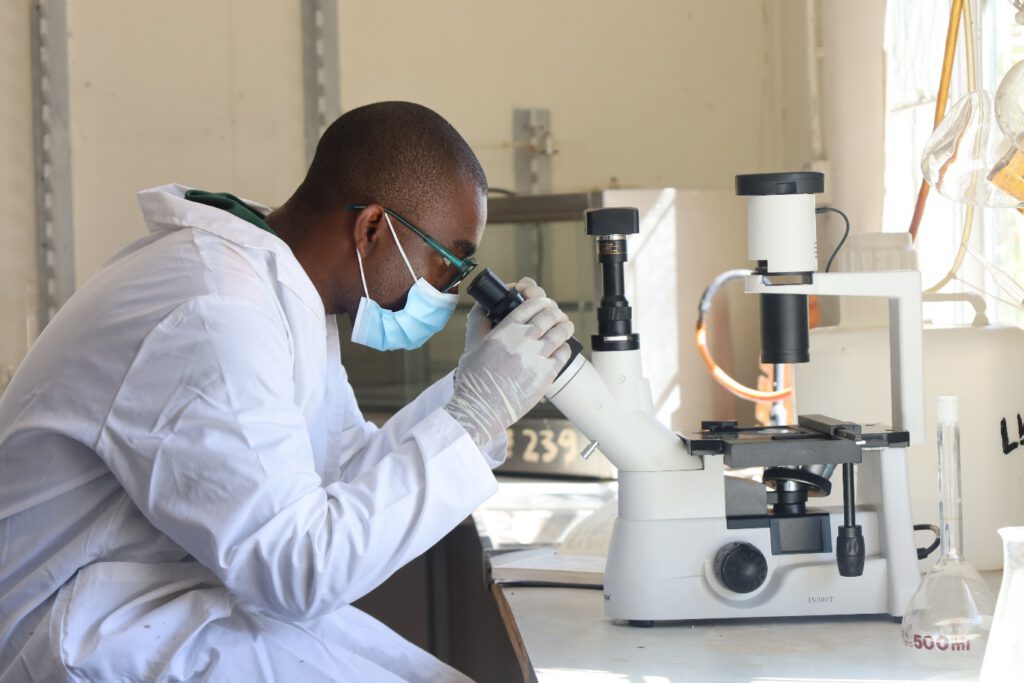
Different disciplines. One connected lake.
Lake Kariba’s fisheries cannot be understood through catch statistics alone. Our research themes connect the biology of fish with the conditions that sustain them and the people whose lives are linked to the lake.
Limnology & Water Quality
Limnology examines the physical, chemical and biological processes of inland waters. Temperature, oxygen, water clarity, nutrients and plankton help explain habitat conditions and the food web supporting fish production.
Climate & Ecosystem Change
Water levels, rainfall variability and changing thermal conditions can affect habitats, productivity and fishing activities. This theme examines environmental pressures and adaptation without assuming that any single driver explains every observed change.
Aquaculture & Blue Economy
Aquaculture and aquatic value chains create opportunities alongside capture fisheries, but they depend on responsible planning. This theme connects production systems, environmental considerations, resource efficiency and the wider aim of deriving lasting benefits from healthy aquatic ecosystems.
Socio-economics & Communities
Fisheries support harvesting, processing, transport and trade. Research on livelihoods, costs, markets, governance and post-harvest losses helps explain who benefits, where constraints arise and how management choices affect fishery-dependent households.